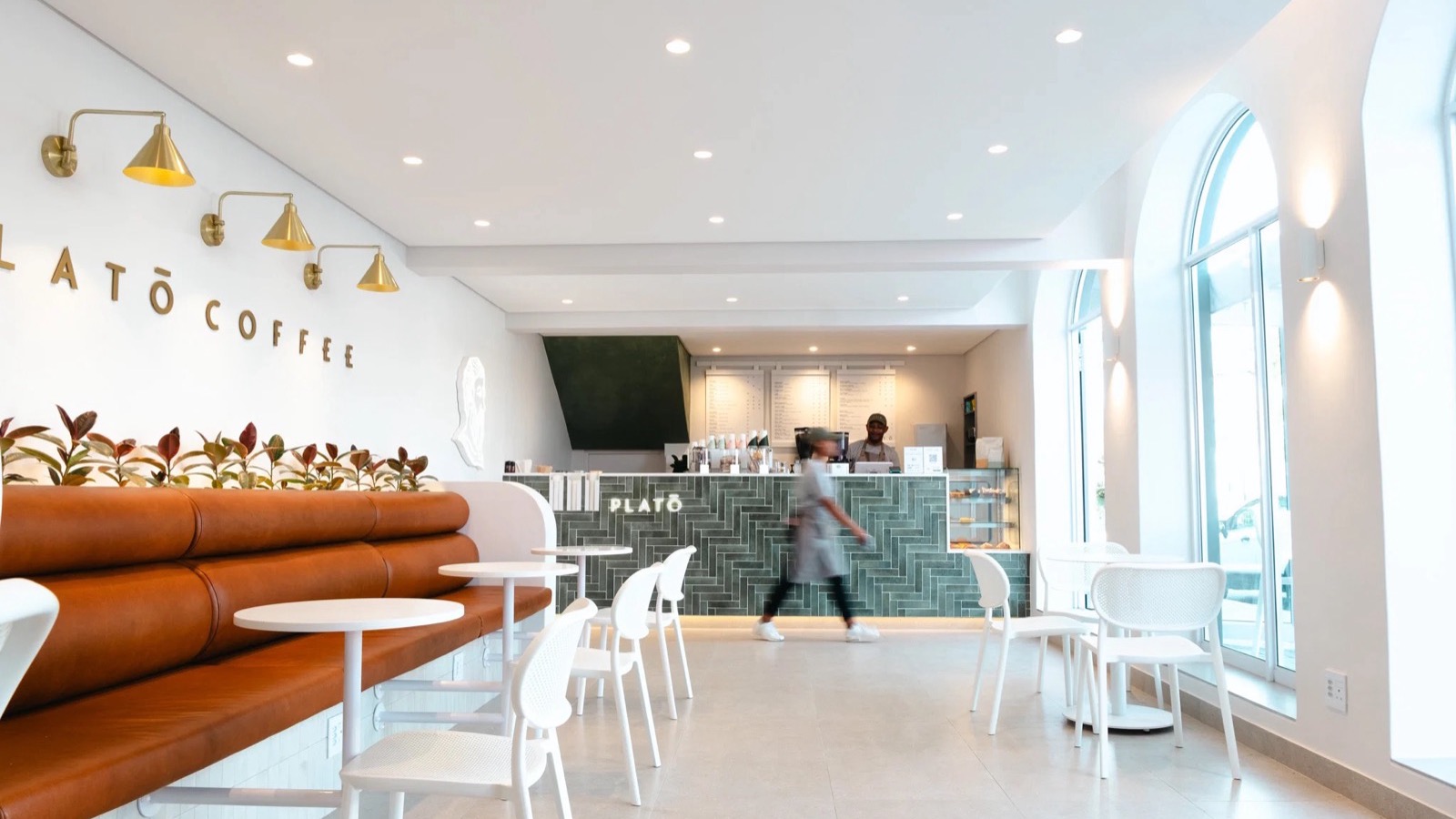
Count the announcements. Vida e Caffè has passed 400 stores and is heading for 500. Seattle Coffee is opening around 40 a year. Bootlegger plans 30 more this year. Plato wants 50-plus before year end. Put them side by side and the coffee category is adding well over a hundred and fifty sites in twelve months.
Every chief executive asked about saturation gives the same answer: the market has room.
Why they are all pushing at once
The habit is deepening, not just widening. Coffee spend per customer is up 16% since 2023, from R99 to R116 a week, and more customers now buy twice a week rather than once. That is the number that justifies the capital: a category where the same customer comes back more often can absorb more outlets than the population alone would suggest.
The sit-down café is outgrowing the counter. Specialist coffee grew 6.4% in value in 2025 while cafés grew 9%. The format that is winning needs floor space, which is exactly the format that takes longer to build and costs more to fit.
Small formats made the maths work. The land-grab is only fundable because entry prices came down with square metres. Cheap entry is what turns a brand's ambition into a hundred signatures from operators.
The competitor nobody in the category names
While coffee chains race each other for corners, the biggest change to the eating-out occasion came from a supermarket. Checkers Sixty60 grew 34.6% to R11.9bn in the first half of 2026, delivering from 875 stores.
That does not take your flat white. It takes the meal that used to come with it, and the evening trade a café was counting on to justify its rent.
The question to ask before you sign
Saturation does not arrive as an announcement. It arrives as your third-best trading hour going quiet, and it shows up in a specific place first: the second store in the same node.
- How many sites does the brand have within three kilometres of your proposed site, and what is the territory protection in writing? Verbal assurance about spacing is not protection.
- What happened to the cohort that opened two years ago? Ask for their trading pattern, not the network average. A brand confident in its expansion can show you.
- Is the growth coming from new sites or busier ones? The same test we applied to Spur applies here. If a network's sales rise only as fast as its store count, the average store is standing still.
None of this says the coffee category is overbuilt. It says the risk of finding out sits with the operator who signed the lease, not with the brand that announced the target.