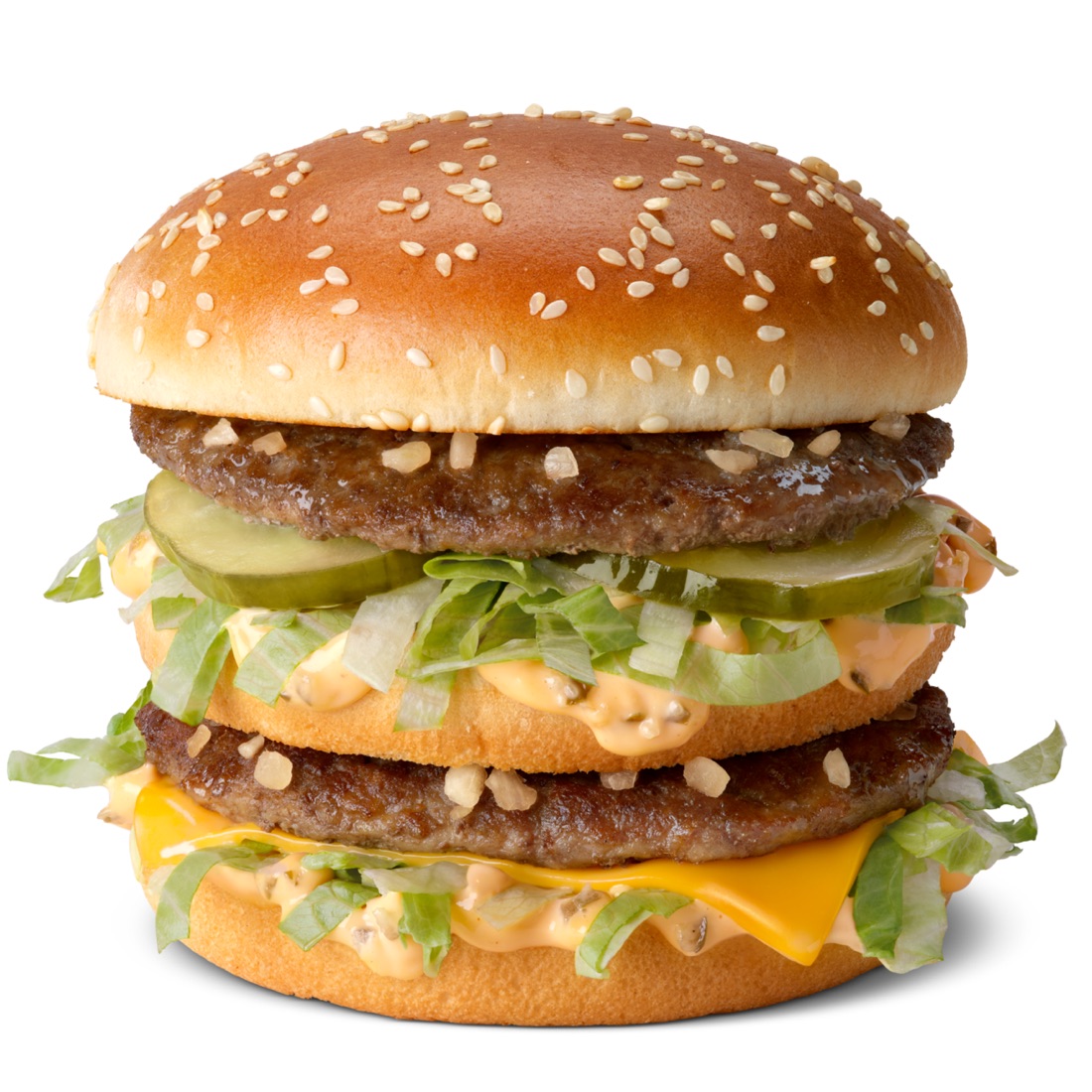
Start with the number everyone can check. A Big Mac now costs R70.90, up nearly 30% in a year. That is not a pricing strategy. It is the end of a chain that started in a cattle pen.
How the chain ran
The outbreak. Foot-and-mouth disrupted South African cattle supply, and the effect worked through the system with a lag. Beef inflation peaked at around 30% year on year between May and July 2025. Meat prices have since touched an eight-year high.
The pass-through. Beef-heavy menus had nowhere to hide. A burger brand buys the one input that moved most, and unlike a coffee shop it cannot reformulate its way around the centre of the plate. The Big Mac went from roughly R55 to R70.90.
The squeeze underneath. The July household food basket came in at R5,530.52, up R28.11 on June, with frozen chicken, eggs, maize meal and cooking oil all rising more than 2%. The same customer paying more for a burger is paying more for everything else.
The substitution. This is where it stops being an input-cost story and becomes a market story. Visit share is migrating from burger brands to chicken: McDonald's, Wimpy and Steers are losing ground while Hungry Lion, Pedros and Nando's gain. One in four South Africans ate at KFC last month.
Why chicken wins a beef crisis
Chicken did not get cheaper in absolute terms. It got cheaper relative to beef, and in a market where a family is choosing between meal options at a price point, relative is what decides.
Three things compound it. Chicken brands were already expanding hard, so supply of chicken outlets grew into the demand shift. Chicken carries flavour formats well, which is why the taco and assembly-style growth we track lands mostly on chicken menus. And chicken portions are easier to reprice quietly, through size and sides, than a flagship burger whose price everyone knows by heart.
That last point matters for any operator: the Big Mac is a price benchmark customers carry in their heads. Brands with an iconic, memorised price take the reputational hit of inflation in a way that brands with a varied menu do not.
What an operator should take from it
- Know which of your prices are memorised. Those are the ones you protect with format and portion changes rather than a straight increase, because they set the customer's view of whether you have become expensive.
- Watch your protein mix as a strategic exposure, not just a purchasing line. A menu that is 70% beef is a bet on one commodity.
- Expect the substitution to persist past the input cost. Habits formed during a price shock tend to outlive it. Customers who moved to chicken this year are not automatically coming back when beef normalises.
- If you are buying a franchise right now, ask what the brand did during this period. Whether they held price, cut portion, reformulated or ate the margin tells you more about how the network treats operators than any brochure will.
What we are watching
Whether beef-heavy menus reformulate, shrink portions or substitute chicken through Q3, and whether the visit-share shift holds once meat prices ease. We track the price movements in the Brief and buyer interest by category in the Buyer Interest Index, where chicken is currently the only category with enough search signal to index.
Sources: Eighty20, 2026 (Big Mac price, beef inflation, visit share, KFC reach). PMBEJD via Business Report, 29 July 2026 (household food basket). Daily News, February 2026 (meat prices at an eight-year high). Figures as published.