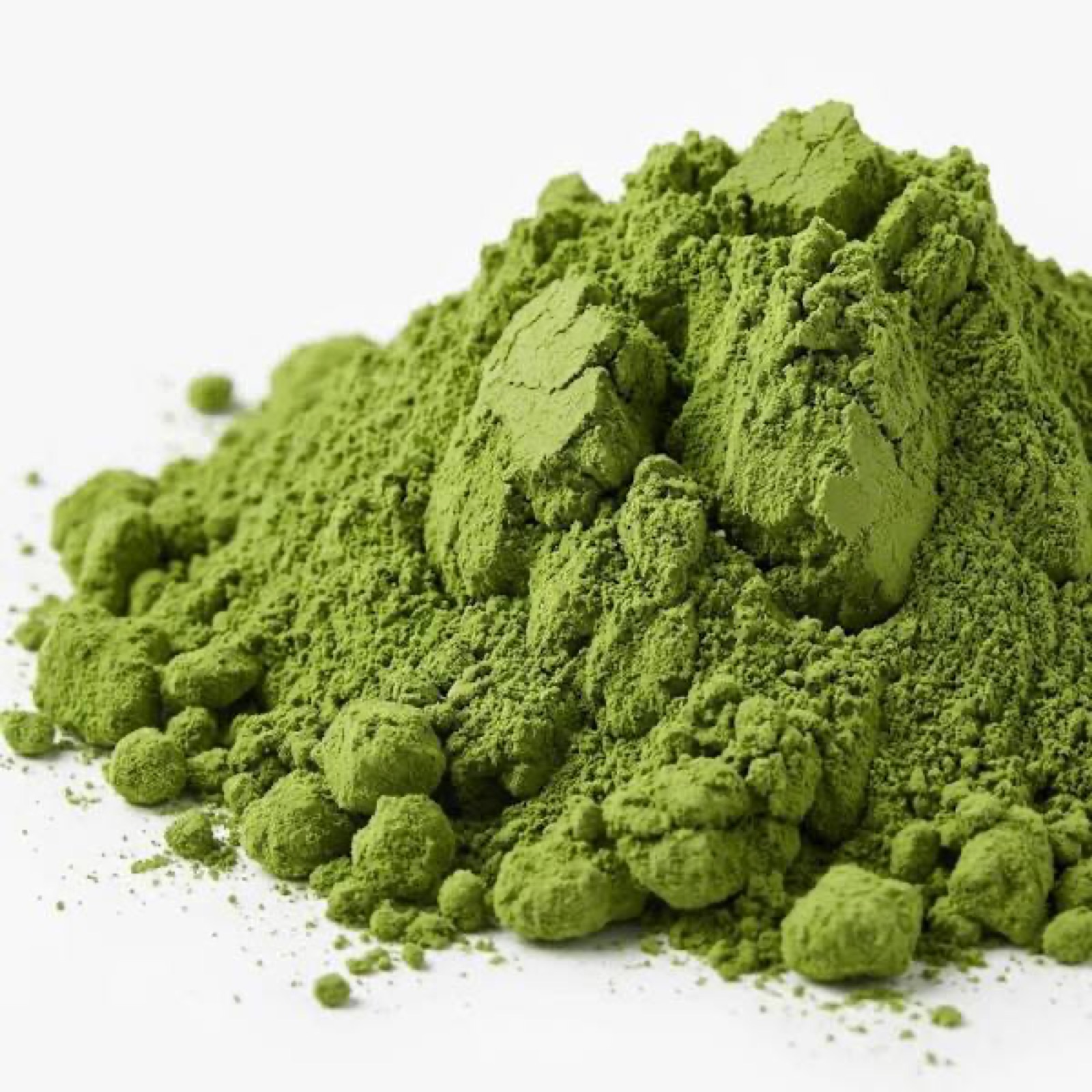
Matcha: the demand is fine. The margin is not.
Start with the question everyone asks. Matcha is not cooling. US specialty-café growth held right through Q1 2026, at-home preparation keeps scaling, and the big chains have moved matcha from limited-time offer to permanent menu. The trend has survived long enough to stop being a trend.
The problem has moved upstream. Japan's supply crisis is acute. Hand-picked Uji tencha production fell 40% year on year. Kyoto first-harvest auction prices rose 169%, with premium lots peaking at 265%. Wholesale prices for the 2025 crop landed 30% to 75% higher depending on grade. Retail matcha is up 15% to 20%, with another 5% to 10% still cycling through inventories in 2026. New farm capacity planted in 2025 and 2026 will not yield meaningful volume until 2027 or 2028.
Matcha stopped being a trend question and became a procurement question.
For a South African operator the maths is blunt: a matcha latte's ingredient cost has risen faster than any defensible menu price. Three practical responses:
- Reprice it as premium. Matcha drinkers are demonstrably price-insensitive so far, with no elasticity signals at scale yet.
- Watch provenance. The shortage is fuelling fake "Uji" product, and serving culinary grade at ceremonial prices is a trust risk.
- Hedge with hojicha. The roasted-tea sibling delivers the Japanese-tea story at a fraction of the input cost.
What else the season is sending
Swicy grows up. The sweet-heat wave is evolving into "swangy", meaning spicy, sweet and tangy, and "swavory", meaning spicy, sweet and savoury. Nearly half of consumers say an intriguing new flavour is what drives trial. For QSR this is a sauce and glaze play: low kitchen cost, high menu-news value.
Tropical is the safe bet, and SA holds home advantage. Guava, passionfruit and dragon fruit lead global summer flavour forecasts. South Africa grows two of the three, so a granita or spritz built on local guava is on trend and on margin.
Newstalgia and heritage sodas. Old-school flavours rebuilt with better ingredients: classic cream soda or cherry cola formats with functional twists. Global forecasters flag black currant as 2026's flavour of the year, and even forest pine botanicals for adventurous drinks menus.
Texture is the new flavour. Freeze-dried, crunchy-gummy and layered-mouthfeel formats are pulling serious numbers overseas. The cheapest local translation is toppings and rims. A freeze-dried berry crumble on a soft-serve costs cents and photographs like a launch.
The protein wave rolls on. Carried over from winter: high-protein menu claims keep spreading through SA QSR, and summer's version is the protein smoothie and the yoghurt-based cooler.
The operator's summer checklist
Lock matcha supply, or a hojicha fallback, before November. Run one swangy sauce as a limited-time offer. Put one local-tropical cold drink on the board. Add one texture-led dessert topper. And reprice premium lines before the December trade, not during it.
Sources: One With Tea, 2026 Matcha Industry Outlook. Food Dive, 2026 flavour trends. Mosaic Flavors, summer 2026 flavour forecast. Tastewise, SA fast-food trends 2026. Matcha Wholesale Japan, shortage and counterfeit risk. Figures as published; verify supplier pricing at order time.